
Peru's Top Hiking Trails
Peru attracts a variety of different travellers to its hiking trails. Whether you are an avid hiker or just a travel enthusiast, many people use these trails to get truly acquainted with this beautiful countryLares Trek
- Difficulty Level 60%
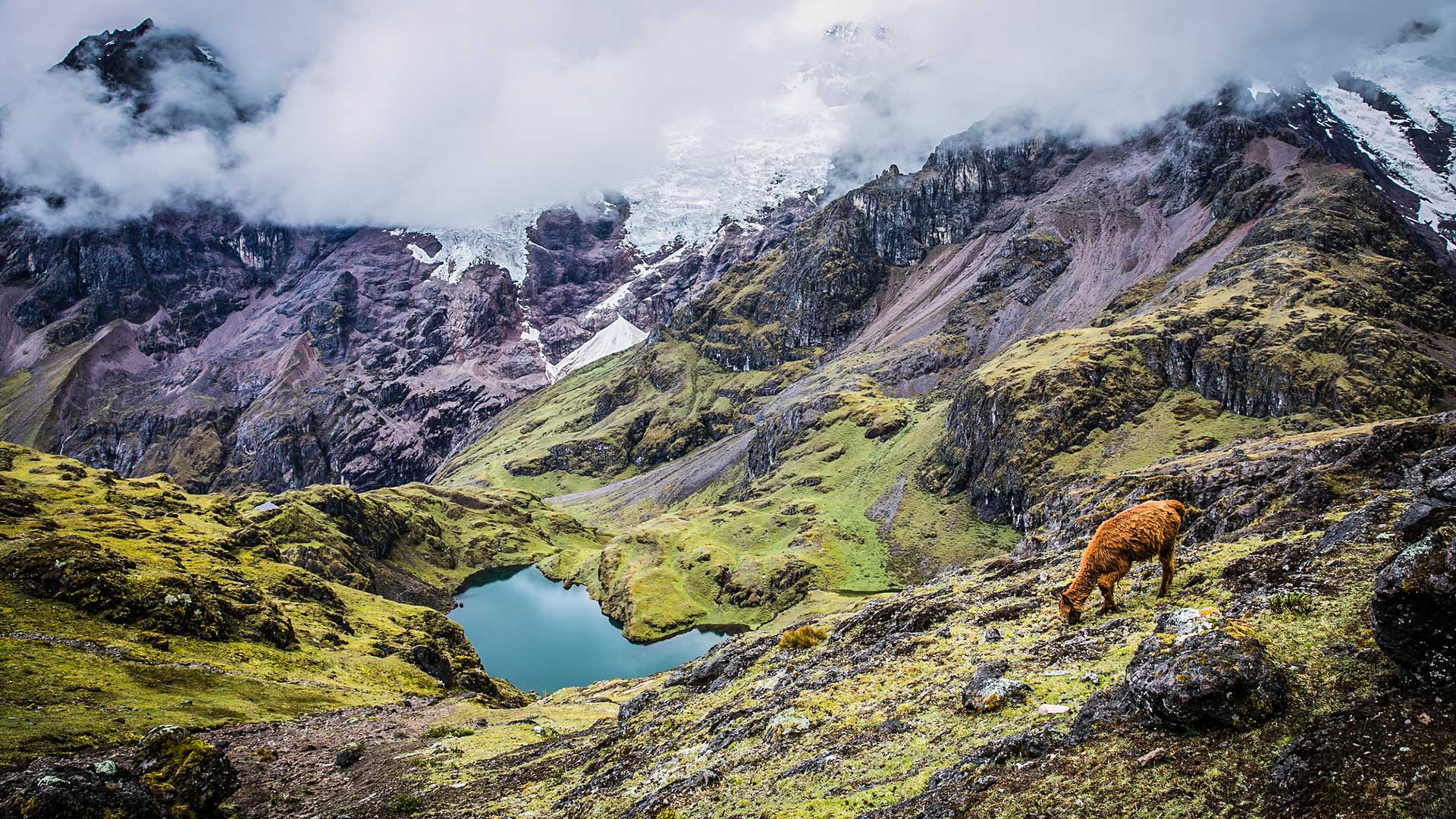
This three-day trek takes you through the Lares Valley from Ollyantambo and offers time spent in indigenous Quechua settlements, and a warm up in hot springs. It is a challenging trek with an altitude reaching 4550 metres at its highest point and is popular with travellers who have failed to secure a permit for the Inca Trail, however it is possible that trekkers will not catch a glimpse of Machu Picchu during this trek. The accommodation during this trek is generally camping with facilities or basic hotels. A permit is not required, and the best time to travel is from May to October in the dry season.
Salkantay Trek
- Difficulty Level 85%
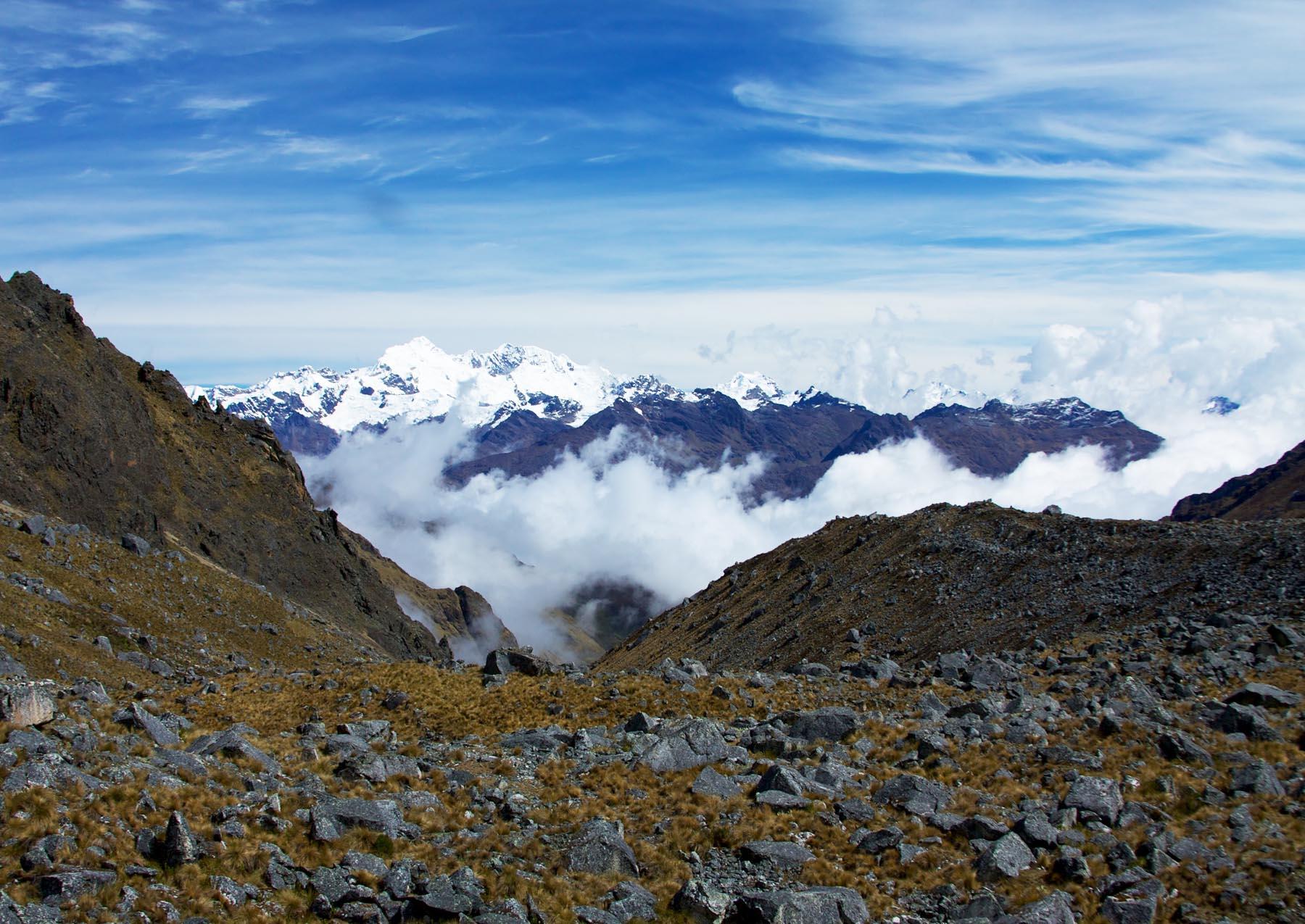
The Salkantay Trek takes you through the Willkapampa mountain range to the stunning peaks in the Peruvian Andes. The duration is four to five days and starts in Cusco and ends in Machu Picchu. If you are lucky during your trek you will be able to catch glimpses of Machu Picchu in the distance. The maximum altitude reached during this trek is 6000 metres and is for those with a moderate level of fitness as altitude sickness is common. Accommodation can be from camping to first class lodges. Travel in May and October offer the best conditions. Permits are not required for this trek.
Santa Cruz Trek
- Difficulty Level 60%
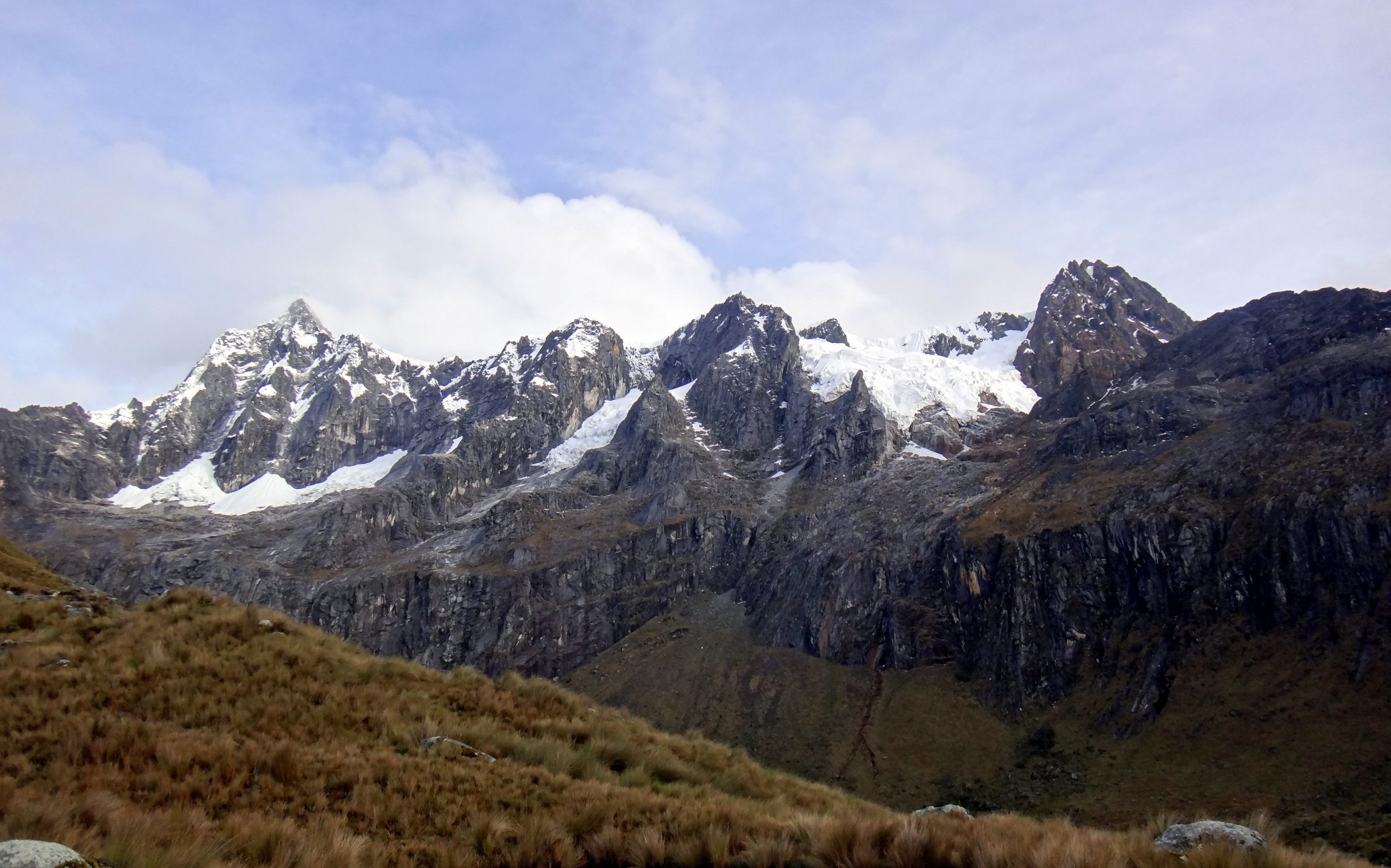
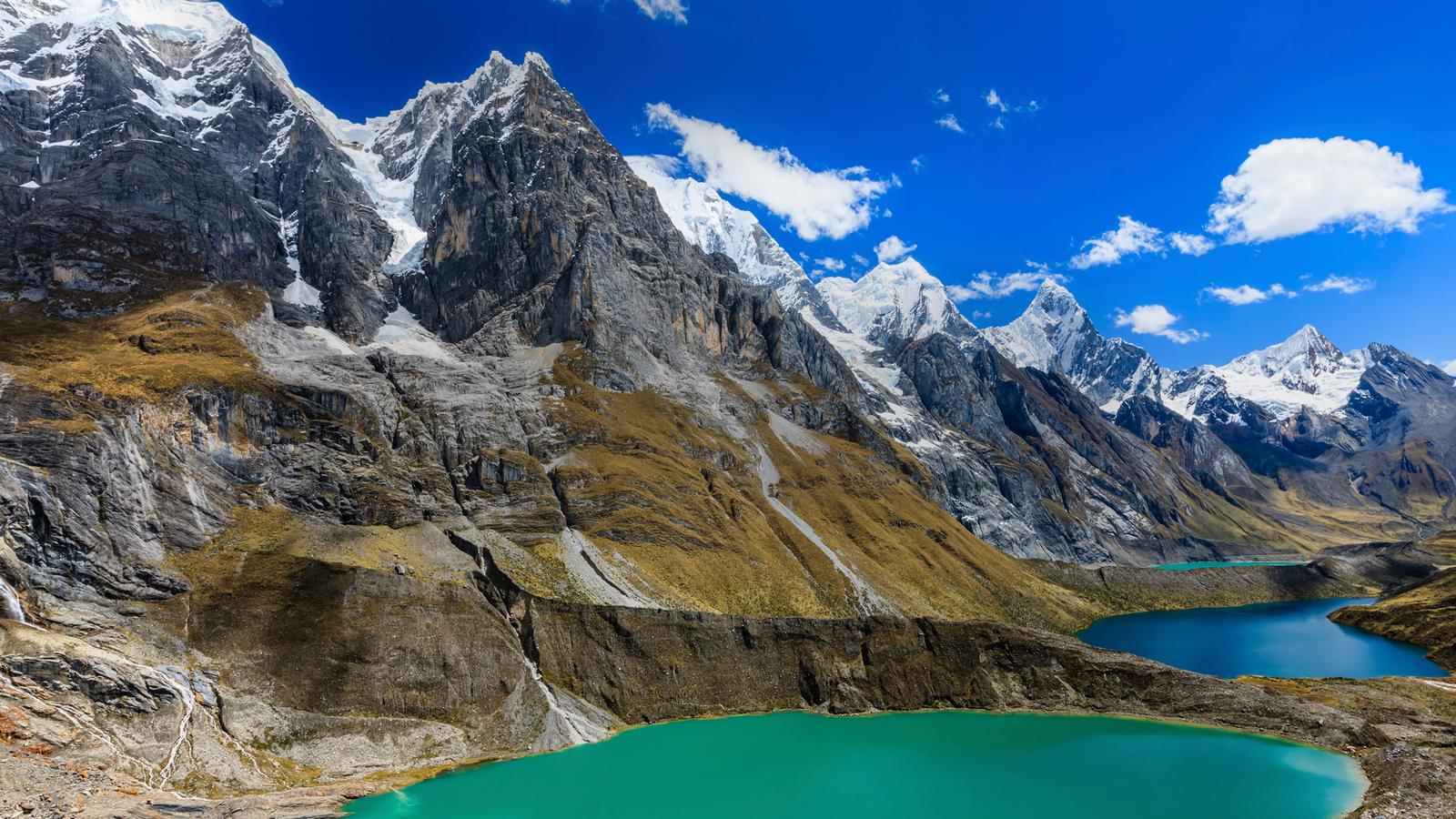
Taking you through beautiful open valleys, jewel coloured lagoons and snowy mountains, this trek is considered one of the best treks in the world. You will have opportunities to spot rare wildlife such as eagles and the Andean Spectacled Bear. The duration of this trek is normally three to four days; however, many suffer with the cold at an altitude of 4760 metres. The accommodation during this trek is campsites which can often be a little crowded. A permit is required for this trek and it features Huascaran National park. Normally it is best to travel in the dry season, typically May – September.
Choquequirao
- Difficulty Level 100%
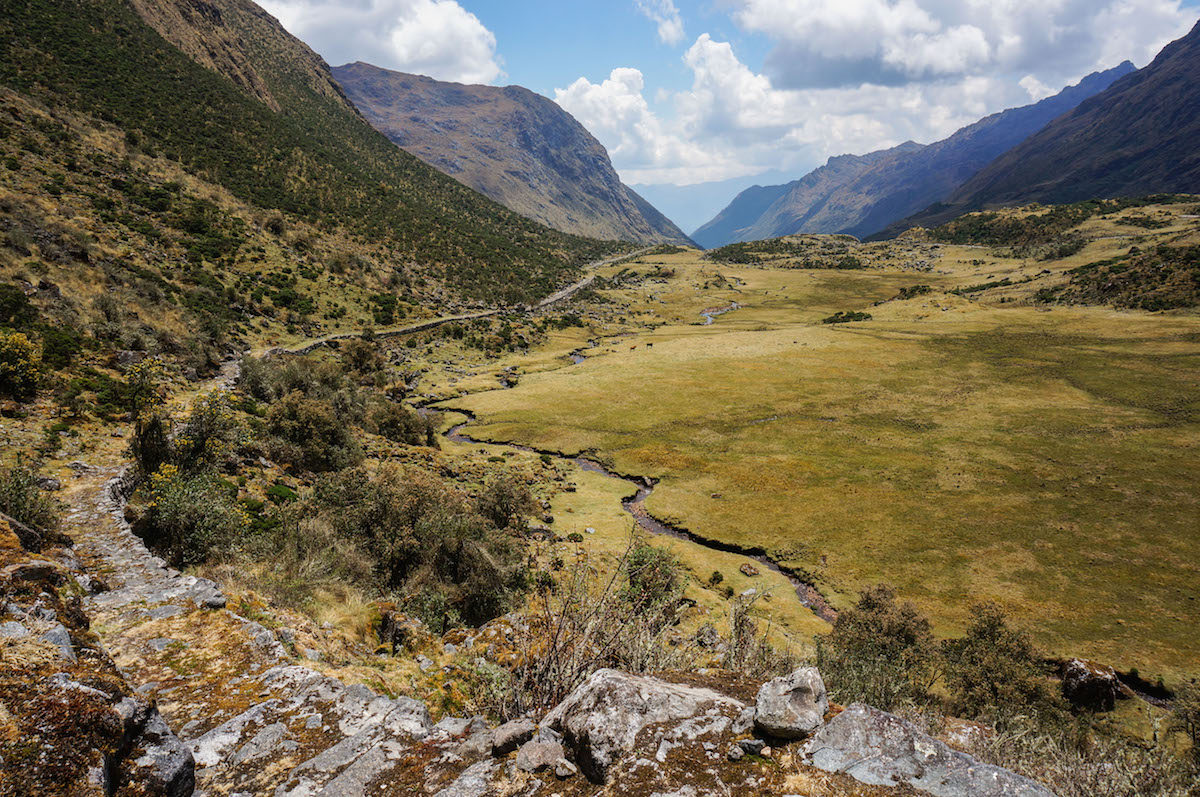
Located in the Cusco Region, this trek is very different to the Machu Picchu Trek and encompasses vast different landscapes and one of the last Inca cities standing before succumbing to the Spanish. Not much is known of Choquequirao, so not much information is provided during your trek. It is best to have a good level of fitness and the steep ascents and descents can be quite challenging. The hike takes four days and reaches a maximum altitude of 3050 metres. The accommodation is camping and the best time to travel is May – October. Permits are not required.
Ausangate Trek
- Difficulty Level 75%
Witness one of the most beautiful sceneries that Peru offers, the colourful Rainbow Mountains, whilst immersing you in the culture of the Quechua people. The trek takes between five to seven days and is very challenging as many suffer with altitude sickness with a maximum altitude of 5150 metres. One of the highlights of this trek is the accommodation, as you will be superior lodges. This trek starts and finishes in Cusco and is best to do in May – October. A permit is not required.

The Vilcabamba/Espiritu Pampu Trek
- Difficulty Level 90%
This trek is both challenging and rewarding, but it attempted by few tourists. Pass through ruins deep in the jungle as well as exploring Vilcabamba, the last refuge of the Incas. This trek encompasses both snow-capped mountains and sub-tropical jungle, offering you a variety of different landscapes. It is not for the faint hearted as you need an excellent level of fitness and the accommodation is camping, but with no official campsites or toilet facilities. It is a very remote trekking trail and seeing any fellow travellers will be extremely rare. The trek takes between four and seven days and it only possible during the dry season, May – September. No Permits are required.
Ancascocha Trek
- Difficulty Level 90%
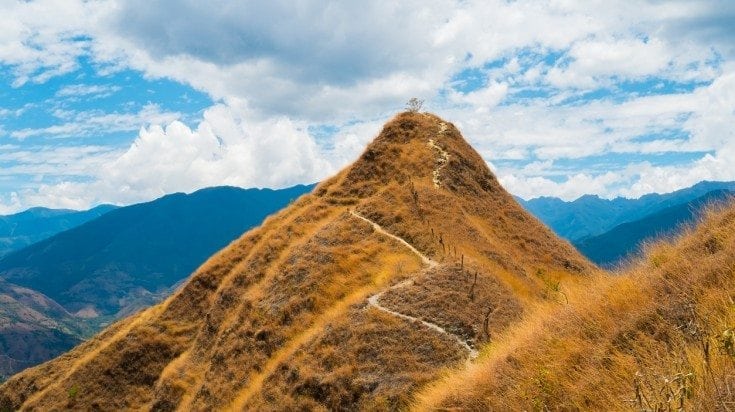
A high-altitude trek for those adventurous trekkers, and is a good alternative to the Inca Trail. Taking you right into the wilderness of Peru, you will trek for four days through stunning mountainous scenery, before being able to visit Machu Picchu on the last day. The trek is very much off the beaten track and is not well known with little tourists. You will need three days of acclimatisation in Cusco before starting your trek. It is extremely difficult with serval passes between 4600 and almost 5000 metres. The accommodation is in Tents and is best done between March – November. Permits are not required.
Huayhuash Circuit Trek
- Difficulty Level 100%
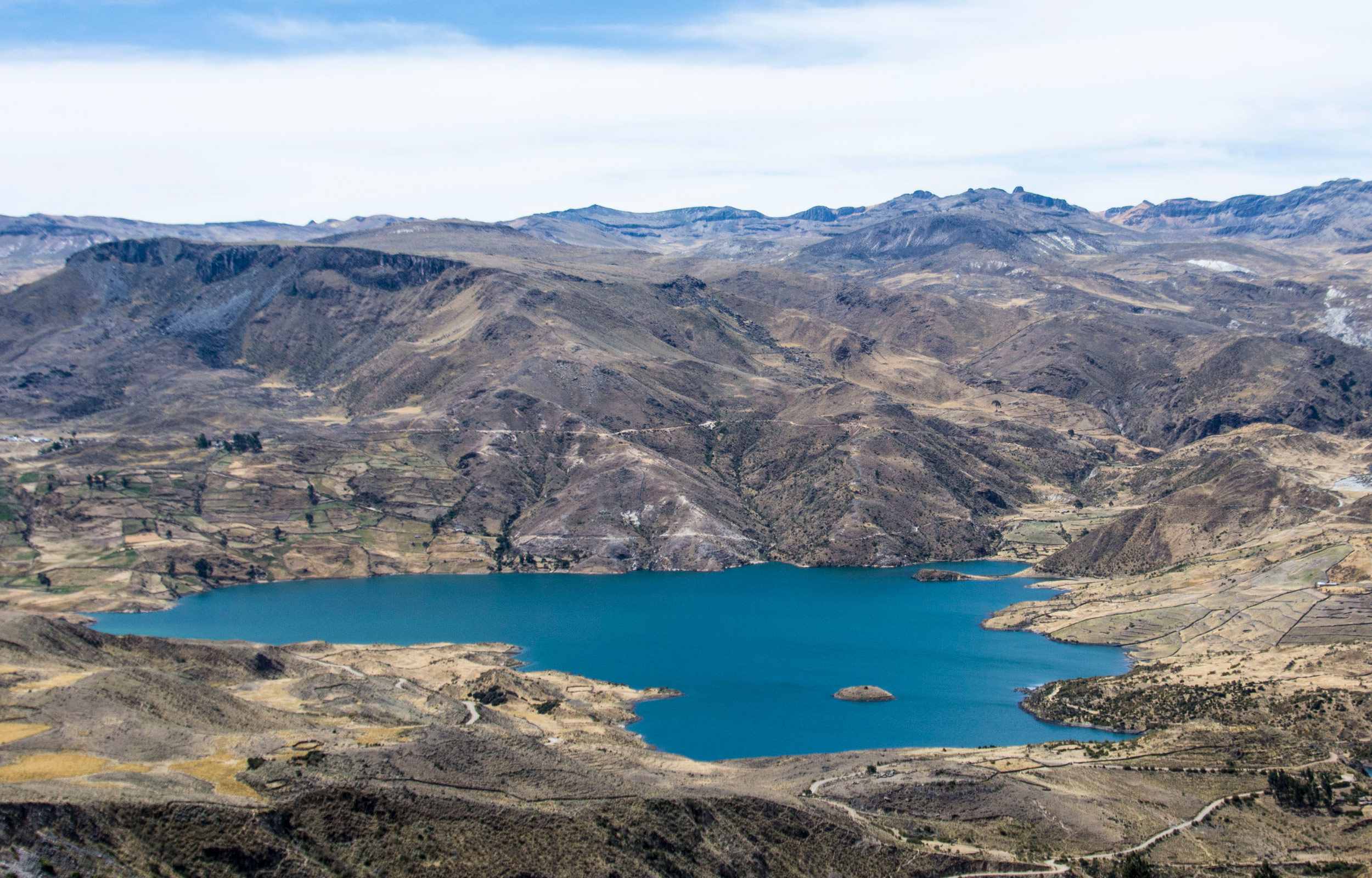
This trek is perfect for those who want to test themselves, with trails through some of Peru’s most notorious mountains included Siula Grande and Yerupaja, Peru’s second highest peak. This peak has only been summited successfully a handful of times. It is a very tough trek with several passes over 5000 metres and hard ascents as well as very cold temperatures. This trek takes between ten to fourteen days and requires and excellent level of fitness. The accommodation is in tents with the best time to travel between may – September. Permits are not required.
Cotahuasi Canyon Trek
- Difficulty Level 20%
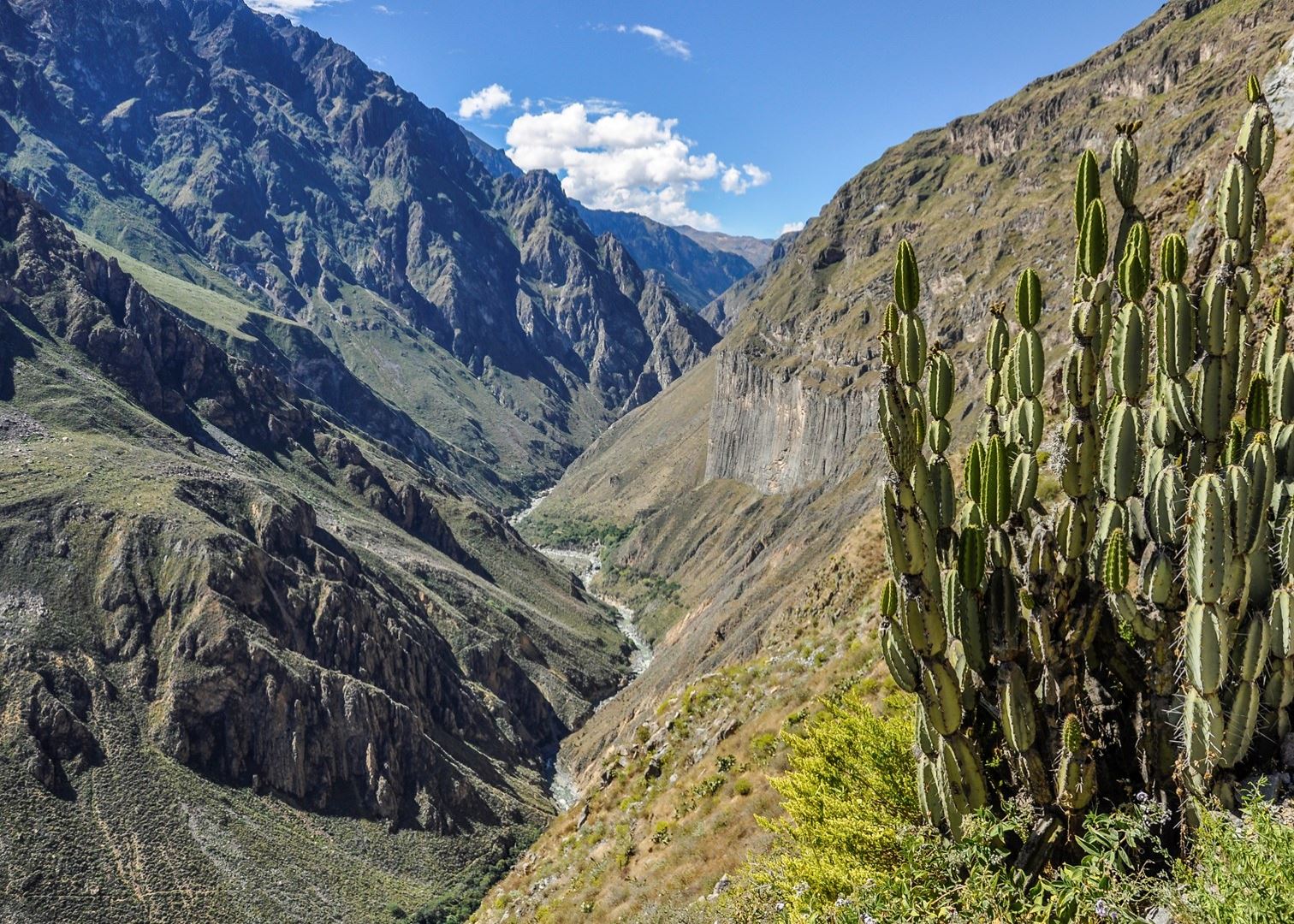
This trek is becoming increasingly popular as an alternative to the Colca Canyon Treks. Expect to find cascading waterfalls, Incan and pre-Incan ruins, hot springs, astounding views and giant condors soaring in the skis above. This trek gives you the opportunity to discover a much less known part of the country and offered different trekking options to suit all requirements. The duration of the trek is customisable; the average duration is four days but can range from one to ten days. The accommodation is tents and is best visited between June – September. Permits are not required.

Colca Canyon Trek
- Difficulty Level 20%
Encompassing villages, viewpoints and hot springs, the highlight of the Colca Canyon Trek is hiking down to the valley floor. Spot different wildlife during your trek such as llamas, alpacas and of course the magnificent condors soaring in the skies above. This trek can be done by visitors with a different level of fitness and different time restraints. If you do want to trek it is recommended that you spend a day or two in Arequipa to acclimatise. A tourist ticket is required and cost approximately USD22. As the treks are normally day treks accommodation will be your own. The best time to travel is from May – November and the best time to see condors is June – September.
Inca Trek Trail
- Difficulty Level 40%
With many Inca paths through the Andes, the most famous is known as “The Inca Trail Trek”, the route to Machu Picchu. The duration of the trek is normally done over four days and is over 44 kilometres. It crosses three high passes, encounters several ancient sites and ends at the Lost City of the Incas. To do this trek you must book your permit in advance, as the Peruvian authorities cap the number of Inca Trail trekking permits to 500 per day. You don’t necessarily have to do this trek as part of a group and can be done independently. It requires a moderate level of fitness and accommodation is normally in camps. The best time to travel is from mid-April through to October, however it is recommended that tourists avoid July and the beginning of August as this is Peruvian Holidays and many locals visit the Inca Trail during this time.
