Costa Rica's National Parks
With nearly 30 national parks, of which 3 are UNESCO world heritage sites, the national parks encompass over 25% of Costa Rica’s total landmass. They are vital to maintain the country’s lush rainforests, dry forests, cloud forest, and marine areas, as well as the thriving animal populations.Manuel Antonio National Park
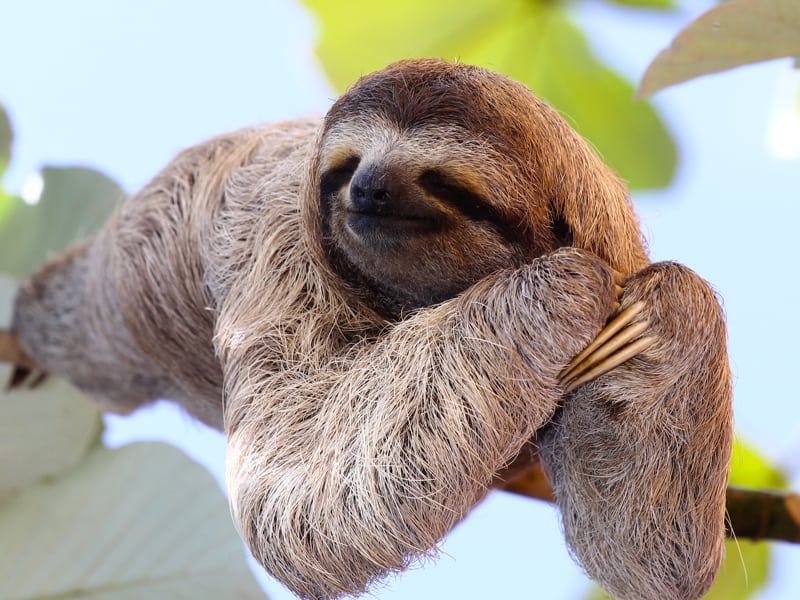
Located on the central pacific coast of Costa Rica, this national park encompasses rainforest, white-sand beaches and coral reefs. The park is the smallest in Costa Rica, at 680 hectares, but is one of the most beautiful and boasts hiking trails that meander from the coast up high into the mountains. Manuel Antonio beach is just a short walk away from the entrance to the park, and offers trees for shade, calm waters and beautiful views. Wildlife to spot throughout this national park are sloths, white-faced capuchin monkeys, howler monkeys, frogs and approximately 180 species of birds.

Corcovado National Park
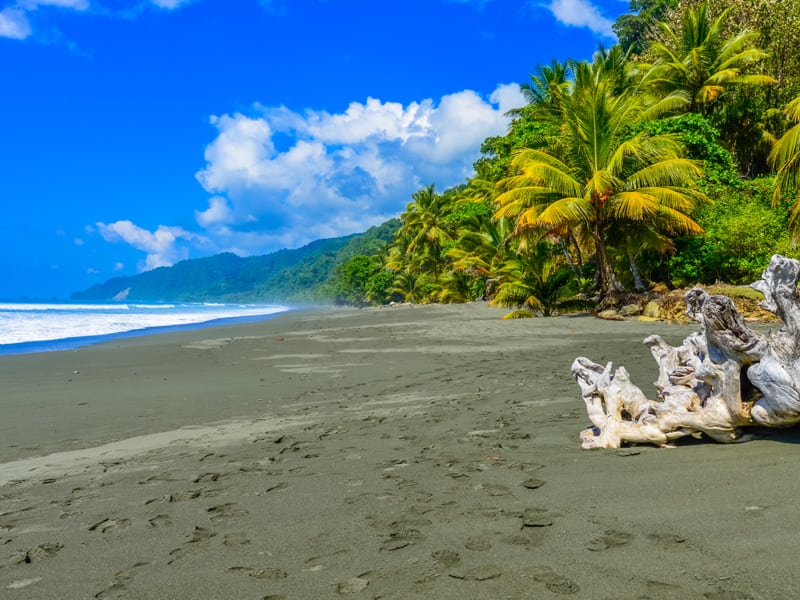
On Southwest Costa Rica’s Osa Peninsula this large national park is over 103,000 acres, and protects varied tropical ecosystems, with pacific beaches, mangrove swamps and lush rainforest. There are several hiking trails that can be followed offering both coastal and inland routes, with some routes taking hikers 2-3 days to get from one side of the park to the other. There park is home to an abundance of wildlife, including 10% of the mammals found in the Americas. It is said to have the largest concentration of macaws, and other wildlife that can be found are tapirs, jaguars, four species of sea turtles, crocodiles and the endangered squirrel monkey.
Tortuguero National Park
Tortuguero National Park is a protected wilderness area on Costa Rica’s northern Caribbean coast. The park is surrounded by dense tropical rainforest which is rich with wildlife from monkeys to bird species. The beautiful beaches are a famous nesting ground for sea turtles, including the endangered green turtles. As well as the beaches, there are also freshwater creeks and lagoons which can be navigated by boats and canoes, be sure to look out for spectacled caimans and river turtles.

Rincon de la Vieja Volcano National Park
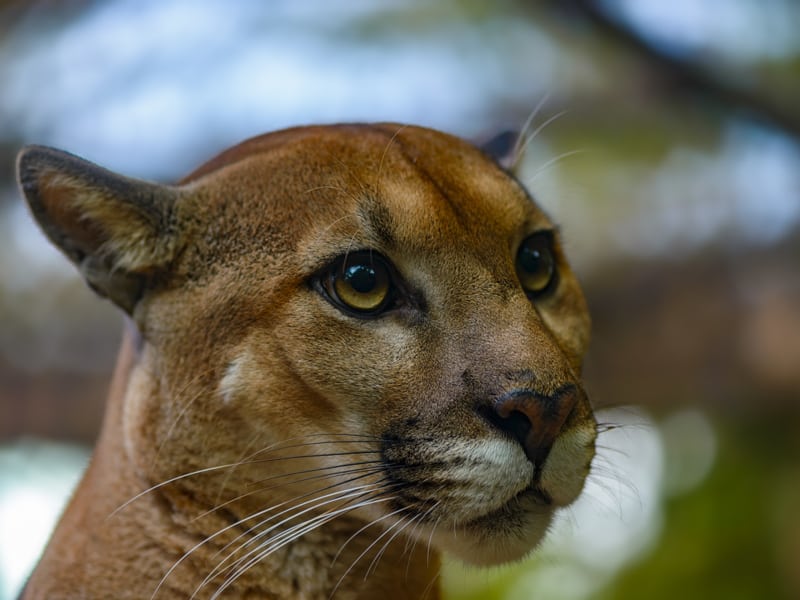
With over 34,000 acres, this park is in the Guanacaste Province, and has 2 volcanoes and 32 rivers and springs. The park allows you to experience both the Caribbean and Pacific sides of the Cordillera de Guanacaste. Rincon de la Vieja Volcano is a spectacular site to see, and last erupted in 1983. Within the park you will find rare and exotic flora and fauna, such as kinkajous which are a rainforest mammal, and pumas, jaguars and a variety of monkeys. Spot the vibrant colours of rare emerald toucanets and blue-crowned motmots nestled among fuchsia and purple Guaria Morada orchids. Laurel and Guanacaste trees provide a home for birds and mammals that live here.
Arenal Volcano National Park
Located in northern Costa Rica, this national park is known for hot springs, waterfalls and the active Arenal Volcano, which last erupted in 2010. The lush rainforests in this area are rich in wildlife which include white-faced capuchin monkeys, jaguar, deer, tree frogs and coati, and snakes such as the fer-de-lance and parrot snake. Plant life that can be found here are orchids, ferns, bromeliads and laurel. Popular for water sports due to its reliable winds is Lake Arenal, which is also home to colourful Rainbow Bass fish. Wander along the Las Coladas Trail, which winds through the rainforest to the cooled lava beds, this walk will take you around 1 hour. There is also a dormant volcano, called Cerro Chato Volcano, which last erupted over 5,000 years ago, which has a lopsided crater with a small emerald green lake inside.

Poas Volcano National Park
This national park has a summit of 2,700 metres and covers an area of 65 square kilometres. It is in the central valley region and as well as the Volcano, has both cloud forest and tropical rainforest. Poas Volcano is an active Volcano, which last erupted in 1910, however a small amount of activity was seen in 1954. There are hiking and walking trails which will lead you through a cloud forest, and at the end of one trail is Lake Botos in an extinct crater. Throughout the trail you can see cloud forest birds such as hummingbirds, tanagers, flycatchers, toucanets and Costa Rica’s national bird, the clay-coloured robin.

Cahuita National Park
Cahuita National Park is both a Terrestrial and Marine National park located on the southern Caribbean coast in the Limon province. It is 2,635 acres with one tenth of the park marine landscape, with beaches and mangroves. It is known for the Best coral reef formation close to the short, and it perfect for snorkelling with more than 500 species of fish such as French angelfish, rock beauty and blue parrotfish living on the reef. There are also two sunken ships that can be explored. On the shore look for red land crabs and blue fiddlers. Other wildlife to spot are caimans, iguanas, monkeys and sloths, as well as a variety of birds that can be seen in Cahuita’s Forest, such as Swainson and keel-billed toucans and the Central American curassow.