
What is Iceland's Golden Circle?
The Golden Circle is the most popular tourist route covering southern Iceland. It covers about 300 kilometres starting from Reykyavik, then into the southern uplands of Iceland and then back. There are 3 primary stops on the way and they are: Thingvellir National Park, the Gullfoss waterfall and the Geyser Hot Spring Area in Haukadalur. The Golden Circle is usually visited in a dayThingvellir National Park
It has been a national park in Iceland since 1930 and has been listed as a UNESCO World Heritage site in 2004. Thingvellir National park is located in the southwest of Iceland, and is approximately 35 square miles. The park lies in Thingvellir Rift Valley and it is the visible site of the mid-Atlantic Ridge where North American and Eurasion tectonic plates meet. They are pulled apart at a rate of 2 centimetres per year creating the valley. During the winter it is a favourite spot for visitors to witness the Northern Lights and when the snow covers the lave field and the days are short it offers some great photo opportunities.
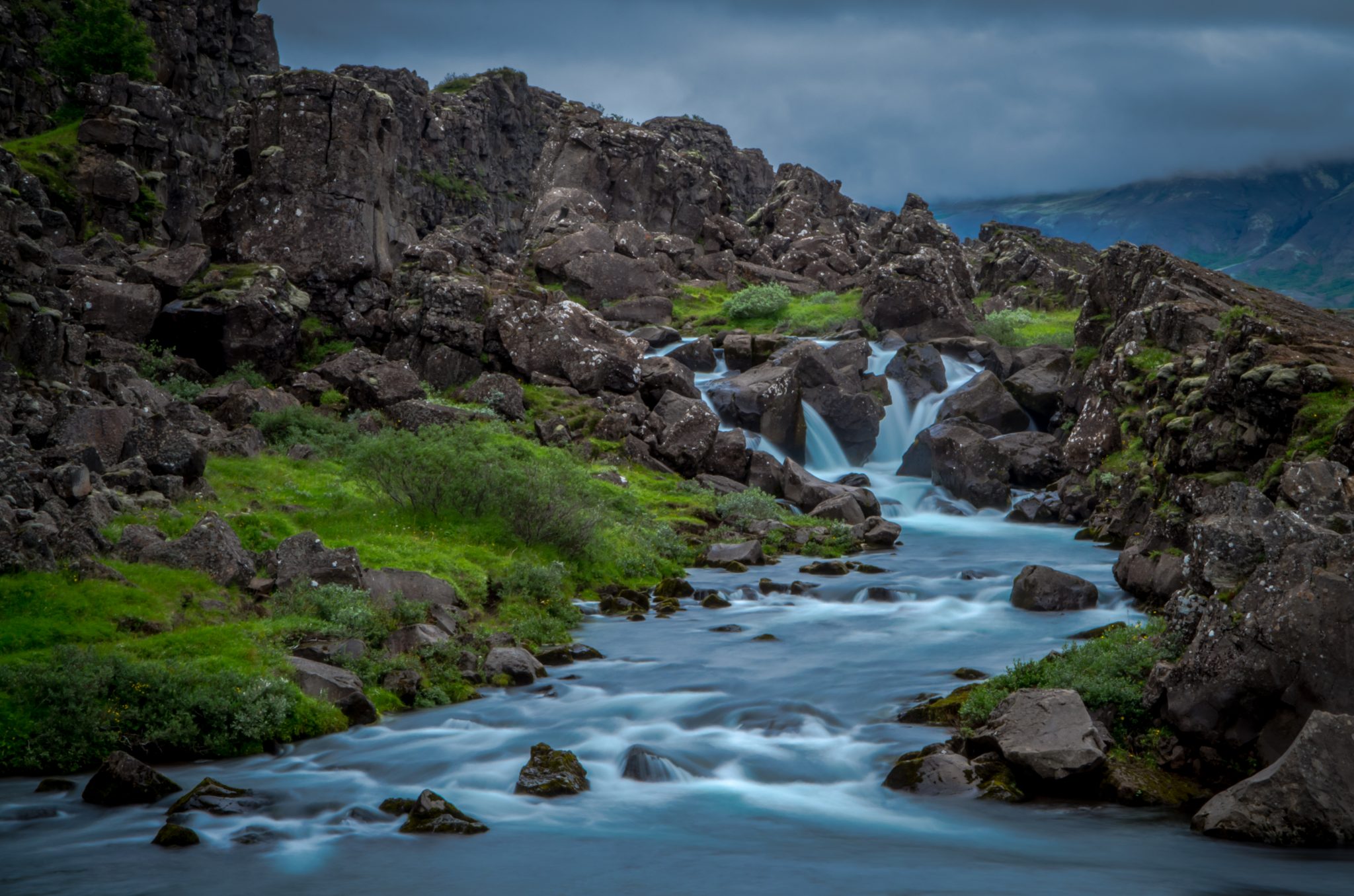
Thingvellir National Park Continued…
Thingvellir National Park is also home to the largest natural lake in Iceland and many tourists take the opportunity to go snorkelling or fishing whilst visiting. Also situated within the park is the spectacular Oxararfoss Waterfall, which has a dark story behind it, as many men and women were drowned there after being sentenced to death in the middle ages.
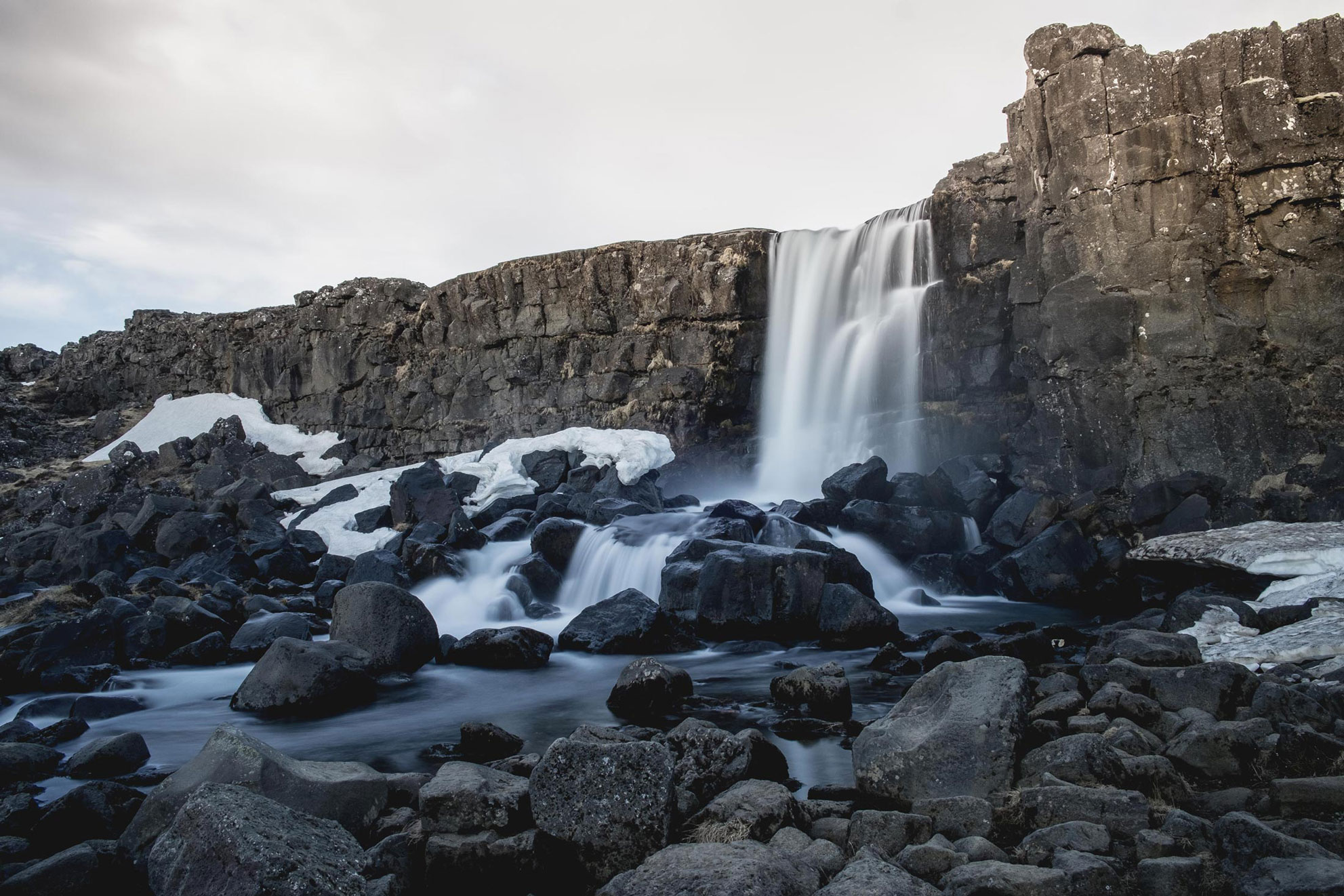
Gullfoss Waterfall
Considered to be one of the most beautiful waterfalls in Iceland, this waterfall is situated in the upper part of Hvita River. Gullfoss means “Golden Waterfall” and on a sunny day the water takes on a golden-brown colour. In 1979 Gullfoss was named as a nature reserve in order to protect it and allows visitors to enjoy this site. The waterfall is two tiered with one water cascade at 11 metres and the other higher at 21 metres, with the water falling into the 1.6 mile crevasse below.

The Geysers of Haukadalur
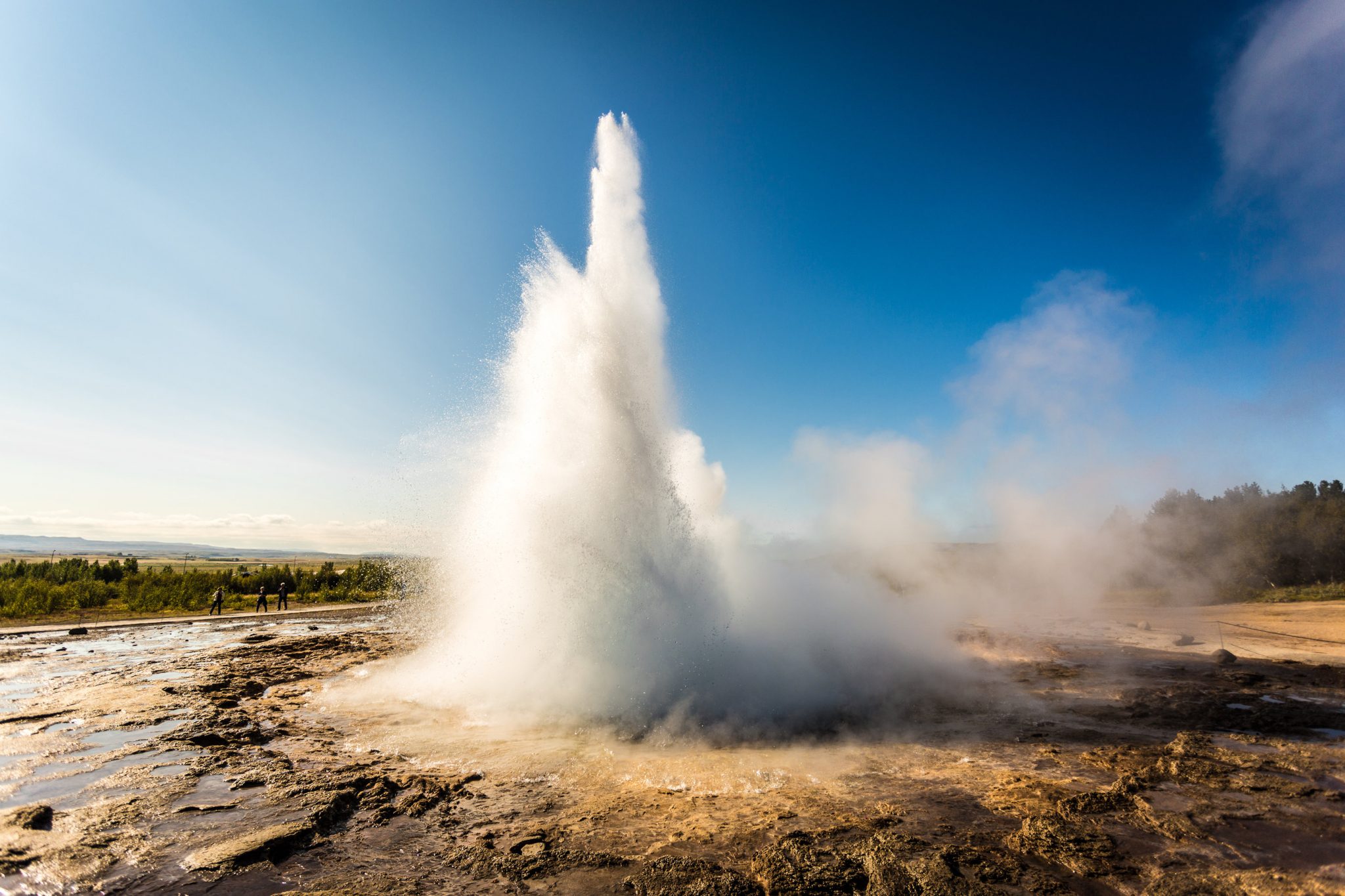
With its boiling mud pits, exploding geysirs and the lively Strokkur which spouts water 30 metres in the air, a visit to the highly active Geyser Hot Spring area is a must when visiting Iceland. Located in Haukadalur, the geothermal field is believed to have a surface area of approximately 3km2, with most of the springs aligned along a 100m wide strip of land. The area became active more than 1000 years ago and has more than a dozen hot water blow holes. The most famous is the Geysir, which was believed to reach a height of 170 metres, although it now lies dormant, and effect of seismic activity.
Blue Lagoon
Not part of the Golden Circle Tour but an essential visit when doing the tour. Located in Grindavik, a fishing town at the Southern Peninsula on the southwest coast of Iceland, the Blue Lagoon is one of the most visited attractions. The warm waters are rich in minerals such as Silca and Sulphur and algae. The milky blue waters are not deep at less than five feet and the bottom is covered in white silica mud. The Blue Lagoon became a popular tourist attraction in 1981 when it was thought to have healing powers as it has been known to heal those suffering with skin conditions such as psoriasis, but is mostly used by locals and international visitors as somewhere to relax and hang out with friends.
