
Where to Spot Kenya's Wildlife
From Savannahs, lakes, rivers, the famous Great Rift Valley and mountainous highlands, these dramatic landscapes of Kenya are home to a wealth of the world’s most spectacular wildlife. Visitors here will have the opportunity to spot Africa’s “Big Five” and one of the most natural wonders of the world annually, “The Great Migration”.Amboseli National Park
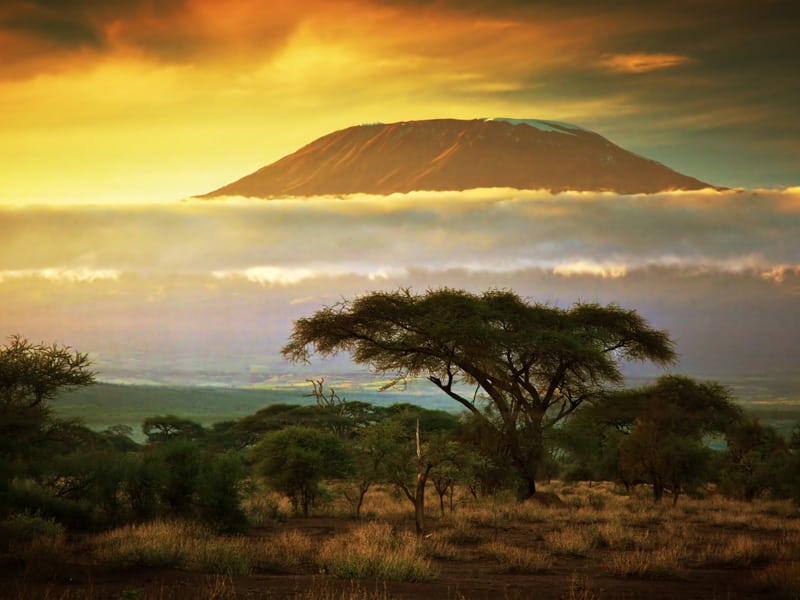
Located in southern Kenya, this National Park offers immense views of Mount Kilimanjaro, Africa’s highest peak, which is just across the border in Tanzania. Within the National Park is Observation Hill, which doesn’t just offer panoramic views of the peak, but of the park’s vast plains and swamps. Attracting approximately 120,000 visitors annually and the second most popular park in Kenya, there is a variety of wildlife to spot here. Keep your eyes peeled for giraffes, zebras, cheetahs and hundreds of bird species such as pelicans, kingfishers and crakes. Not forgetting that this park is most famed for being the best place in the world to get close to elephants in their natural environment. Lake Amboseli dominates the western section of the park which only contains water during the wet season.
Lake Nakuru National Park
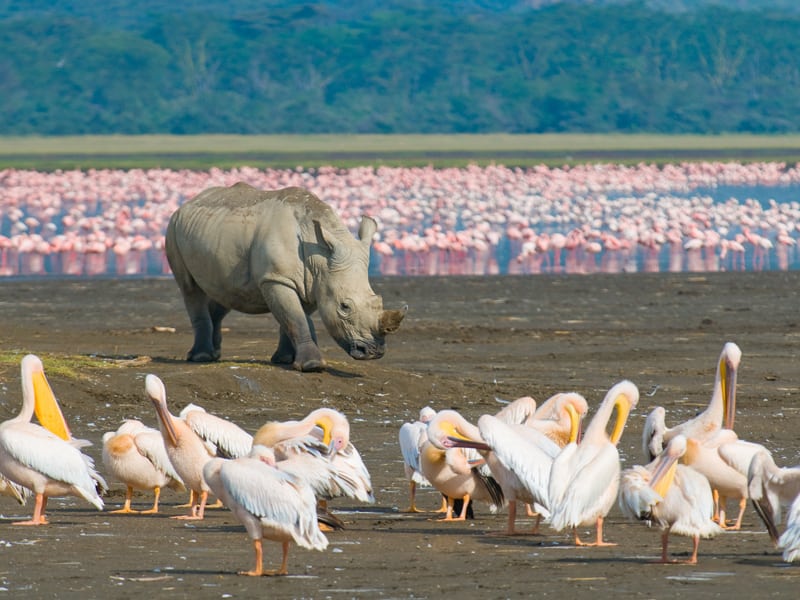
Nestled in the vast great Rift Valley of Kenya, the soda lake of Lake Nakuru is at an elevation of 1,754 metres above sea level. The visitor that you are most likely to see here are flamingos lining the shores, feeding on the large quantities of algae found on the lake. It is not unusual to find thousands if not millions of these beautiful creatures. Other wildlife found here are warthogs, baboons, giraffe, lions, cheetahs and eastern black rhinos and southern which rhinos, which have been introduced to the park. To provide a sanctuary for black rhinos a fence has been introduced surrounding the park, it was not meant to disturb the movement of the wildlife, but to keep poachers out. The park itself is located approximately 164 kilometres north of Nairobi and can be visited in a day tour from the capital, but is mostly done are part of a circuit, encompassing the reserve of Masai Mara.
Lake Naivasha
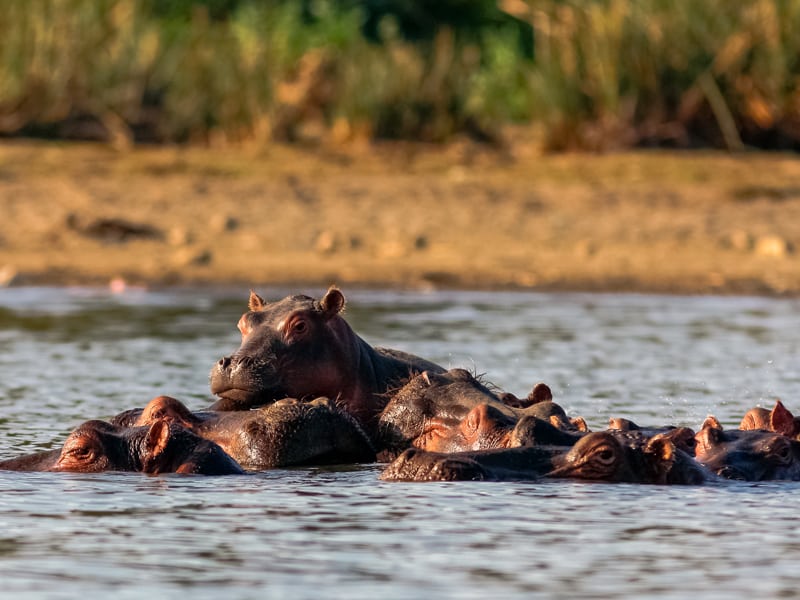
This fresh water lake is part of the Great Rift Valley and is the highest lake located here, with its name deriving from the Masai name Nai’posha, which means “rough water” because of the sudden storms which can arise. The lake is home to an abundance of wildlife, with a sizeable population of hippos and over 400 different species of bird. Being a freshwater lake, there is a healthy fish population, which includes Black bass, Tilapia and Crayfish, which in turn attract fish-eating birds such as Fish Eagles, Pelicans and Kingfishers. The famous author named Joy Adamson, lived on the shores of the lake in the mid-1960’s, who wrote the book called “Born Free” and was turned into an Academy Award-winning film, which told of her experiences raising a lion cub names Elsa.
Samburu National Reserve
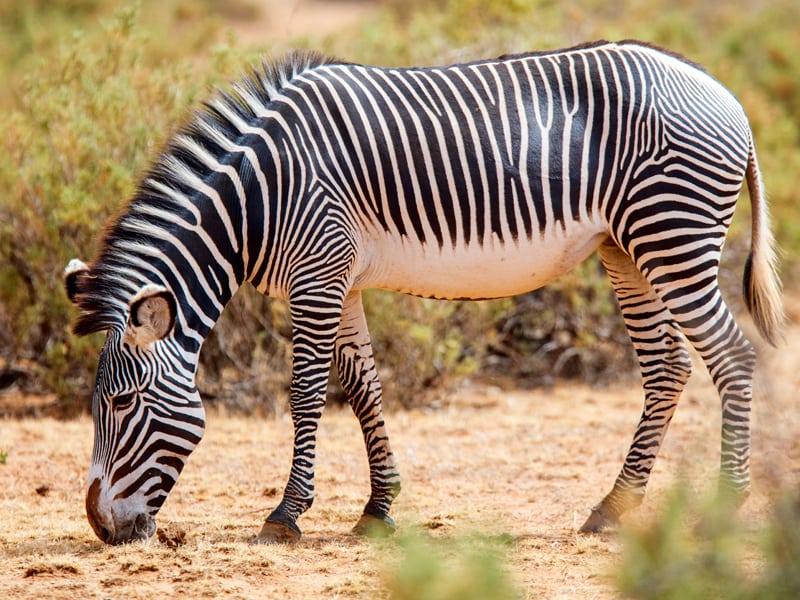
Located on the banks of the Ewaso Ng’iro river, this game reserve is 165km2 in size and is situated approximately 350 kilometres from Nairobi. The river provides water to the animals that live here, of which if it wasn’t here they wouldn’t survive, and is also home to many crocodiles. Also found within the park are Zebra, Giraffe, lions, buffalo, hippo’s and large herds of Elephants can also be seen crossing the river. Sadly, due to heavy poaching rhinoceroses are no longer found here.
Masai Mara National Reserve
Along the Tanzanian border is an area of preserved savannah wilderness is the Masai Mara National Reserve. It is named in honour of the ancestral inhabitants of the area the Masai people. For those wildlife fans, here you can spot the “Big Five”, lion, leopards, cape buffalo and rhinoceros. The park boasts grassy plains and rolling hills but is also crossed by the Mara and Talek rivers, here large groups of hippo’s and crocodiles can be found. One of the most impressive natural wonders of the world happens here annually, the great migration, where approximately 1,300,000 wildebeest, 500,000 gazelles, 97,000 topi, 18,000 elands and 200,000 zebras cross these vast plains. This normally happens around July in the Masai Mara National Reserve, with these animals migrating north from the Serengeti plains to search for fresh pasture and returning to
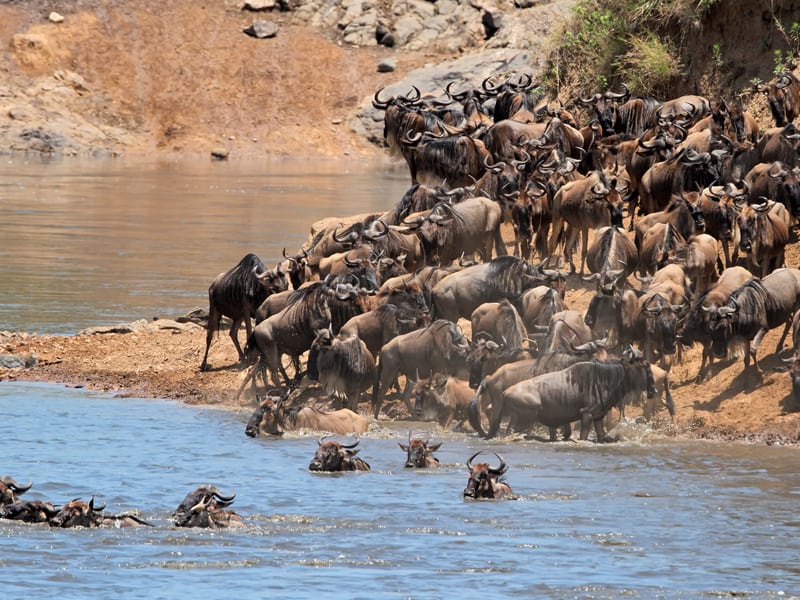
the south around October. One of the most atmospheric ways to view this dramatic Savannah is by taking a hot air balloon at sunrise. Whilst in this region make sure you stop at a nearby village, to learn about the culture of the Maasai people.